
The Gut and Mental Health Connection
- Kathryn Eddingsaas, RD, CD
- 5 days ago
- 5 min read
There is an ongoing surge of research exploring the connection between the digestive system (near 30 food tract that automatically moves food past the mouth, through the stomach and intestines, and out the anus) and the brain (part of the central nervous system in addition to the spinal cord). You may have heard about this connection in probiotic commercials, on social media, or even on the packaging of your yogurt.
“Gut health” has become a more common buzzword because science has shown how it intertwines with overall wellness, specifically mental and behavioral health. While the brain gets a lot of popularity from being the powerhouse of the body, it is less known for its friendship with the digestive system, communicating through what’s known as the vagus nerve (longest and most complex nerve in the body reaching from the brainstem to the stomach abdomen and colon). The brain communicates with the gut microbiome (a collection of microbes that inhabit the gastrointestinal tract and interact with digestion, immunity, metabolism) and the two work together to produce and synthesize many hormones and neurotransmitters. Research suggests that the gut synthesizes over 90% of serotonin (a hormone derived from tryptophan and plays an important role in regulating mood). Although the serotonin in the gut is used for things that are different than the serotonin made (and found) in our brain, eating enough and incorporating a variety of foods directly supports gut and brain communication.
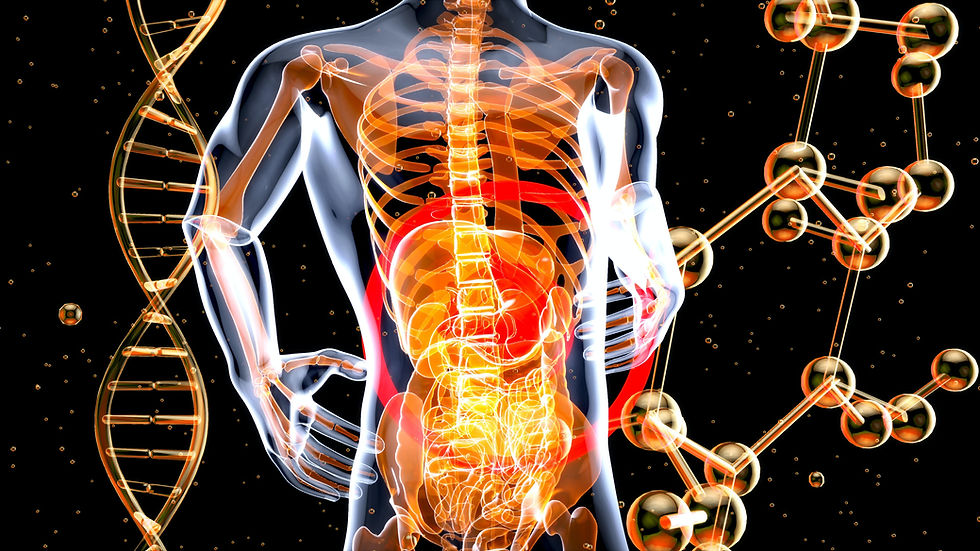
The Basics of Your Gut-Brain Axis
Best described as a two-way communication system, the vagus nerve is a major highway that constantly exchanges information back-and-forth from brain to gastrointestinal tract. Due to having more nerve cells than any other area outside of your brain, the stomach and intestines are regularly referred to as “the second brain.”
The Vagus Nerve and Gut-Brain Axis Regulate:
Hunger and fullness cues
Food preferences and cravings
Food sensitivities and intolerances
Digestive motility (how food moves through your system)
Digestion and nutrient absorption
Mood and emotional regulation
Behavior and stress response
Pain sensitivity
Cognitive function
Immune response
Although a highly complex system, there are multiple components that untangle how your gut and brain communicate.
The Enteric Nervous System (ENS) (a network of neurons, neurotransmitters, and proteins lining your GI tract). The ENS is capable of operating independently from the brain and contributes to regulating digestion, memory, and motor function in the gut. The stomach contains over 100 million neurons, more than the spinal cord. As stated before, your brain and gut produce serotonin independently, but both play critical roles in synthesizing it and utilizing it appropriately. Gut microbes convert tryptophan (an amino acid) into serotonin and other compounds that influence mood and cognitive function. Imbalances can contribute to mental health conditions like depression and ADHD. Additionally, overstimulation of serotonin pathways (from fear or stress) can cause symptoms like diarrhea or indigestion. Both of these examples demonstrate how interconnected the two bodily systems are.
Additionally, another important communication line is the blood-brain barrier (a selective filter that allows certain compounds to enter the brain while blocking others). This barrier allows essential nutrients and byproducts created by the gut to influence brain chemistry. Specifically, Phenylalanine (used to make dopamine) and tryptophan (used to make serotonin) can cross this barrier and are significant when discussing brain chemistry.

Supporting Your Gut-Brain Axis
To best support the functioning of the gut-brain axis through nutrition and eating habits, there are two guiding principles: Food variety and Balanced/Informed Nutrition.
Although many self-care stances such as mindful movement, decreasing body stress, and improving sleep can aid in gut-brain communication, nutrition is one of the most directly influential aspects that directly changes the gut microbiome. Studies have found that there are foods that encourage a healthful and more diverse gut microbiome, including prebiotics (a nondigestible food that promotes the growth of beneficial microorganisms in the intestines), probiotics (live microorganisms that increase gut diversity and provide health benefits when consumed), and fiber-rich foods such as green leafy vegetables.
Prebiotics, Probiotics, and Food Diversity
Prebiotics are highly fermented by gut microbes, unlike insoluble fiber (non-digestible substance that helps move food through the GI tract and keep bowels clean/regular). Prebiotics improve microbial balance whereas insoluble fiber helps remove waste from the body. Some common sources to increase consumption of prebiotics can include bananas (especially less ripe), oats, barley, onions, garlic, asparagus, beans, peas, flaxseeds, cocoa, amongst other plant-based foods.
Probiotics are the live bacteria found in fermented foods that enrich your gut microbiome by using prebiotics as fuel allowing them to multiply and colonize in the gut more safely. Some common sources to increase consumption of probiotics can include yogurt, kefir, kimchi, sauerkraut, kombucha, pickles, miso and tempeh, aged cheeses, buttermilk, amongst others. Without too much thought, increasing your intake of prebiotics, probiotics, fermented foods, fiber-rich foods, whole grains, and so on can naturally improve wellness the universe within your gut.

Stress and Sleep Management
Stress management can support in calming your nervous system, decreasing cortisol levels, and thus, supporting your gut. If generalized stress management is too challenging, you can try activating your Vagus nerve through simple breathing exercises. Research shows that breathing patterns can be helpful in stimulating the Vagus Nerve to allow for more effective and efficient gut/brain communication, as well as improved dysregulation and stress management. A common technique is the following:
Inhale for 4 seconds → hold for 4 → exhale for 6. Repeat several times
If you're struggling to get good sleep, try going to bed and waking up around the same time each day. It doesn’t have to be perfect, life rarely is. However, keeping a steady rhythm gives your circadian system (your bodies internal 24-hour clock controlled by the hypothalamus) a chance to do its job. Although your circadian rhythm is like a built-in clock, it is more influenced by your habits than the sunrise and sunset. If you work night shifts and sleep during the day, your internal clock is running counter to the natural rhythm of day and night which can make quality sleep harder to come by. This can cause decreased sleep quality, groggier days, and overall heavier stress. If a night shift is unavoidable, it is okay to start small. Try waking up at the same time a few days this week and notice how your body responds. Or try going to bed at the same time a few days this week and think soft, cushy eye masks, blackout curtains, or high-quality earplugs to buffer daytime noise.
If you drink caffeine, monitor your intake around the afternoon and try to stay under 400 mg total each day. A little timing awareness can go a long way toward helping your body settle into whatever rhythm your life requires.

Enjoying Your Food and Accepting the Interconnectivity
Being present and non-judgmental is shown to improve digestive functioning, secondary to regulating anxiety and stress. On the flip side, eating in a state of guilt, anxiety, or shame can disrupt the metabolic process, thus reducing how effectively your body breaks down and utilizes nutrients. So yes, pleasure and enjoyment of food matters. Not just emotionally, but physiologically.
Summary
In summary, the gut-brain axis is a rich and evolving area of science, with new discoveries still unfolding. While there’s still much that research doesn’t know, one thing is clear: the gut and the brain are not separate systems. The good news? You don’t have to overhaul your entire life to care for this connection. Small, sustainable practices like ensuring you are eating three full meals each day, adding more fiber to each meal, incorporating fermented foods or probiotics, reducing stress, showing yourself compassion, prioritizing quality sleep, and/or rejecting harmful diet culture messages can all contribute to a more effective and balanced gut-brain axis.

Comments